Your shopping cart is empty!

MENU
The word "Apnea" in Greek means "without breath." The origins of the word Apnea comes from the ancient Greek word, meaning without breath. The Shuteye.com definition of sleep apnea is "a condition characterized by temporary breathing interruptions." There are two main recognized types of sleep apnea, these are obstructive and central. The Familydoctor.org definition of obstructive sleep apnea is; “a stoppage of breathing caused by something (tongue, tonsils or uvula) blocking the air passageway”.
The most common type of sleep apnea is obstructive sleep apnea, central sleep apnea is comparatively rare and is often an accompaniment to some other form of neurological or long problem. Central sleep apnea is a stoppage of the breathing functions caused by the interruption of signals in the brain before they can reach the muscles, in some cases the signals do not reach the muscle at all. These interruptions can vary from a few to hundreds of occurrences in a single night. The stoppage of breathing can last ten seconds or more per incidence. The symptoms of sleep apnea can be any or all of the following – extreme daytime sleepiness, cessation of breathing during sleep, difficulty in remaining asleep, shortness of breath, waking up with dry throat/mouth. The associated causes of sleep apnea include; excessive relaxing of the throat and tongue muscles, larger than normal tonsils/adenoids, obesity, a disproportion of the relative size of the mouth/throat to the size of the head and neck.
The most popular and effective treatment for sleep apnea is both safe and easy to use. It is CPAP there are some dental appliances (mandibular advancement devices) that have been used in the treatment of sleep apnea, but they have proved to be less effective and have been seen to produce unwanted side effects like soreness of the teeth and jaws and altering bite’s. However they have worked well for some people. There are basically two types - oral appliances and head devices, in certain cases surgery has been used to increase airway size by the removal of tissue from the throat and jaw reshaping. Oral devices resemble an athlete’s mouth guard and the head devices fir over the patient’s head and chin thereby repositioning the jaw.
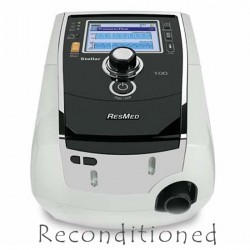
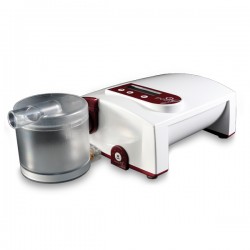
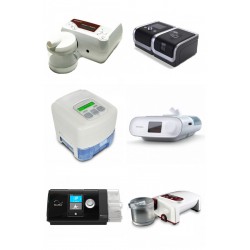
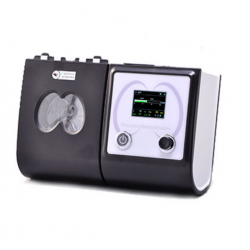
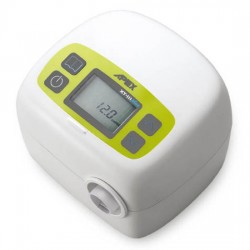
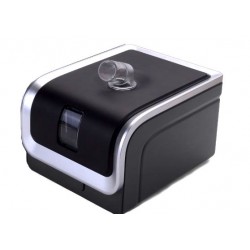
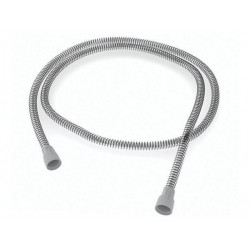
CPAP is a form of therapy using an air compressor that forces air through the nose or mouth to maintain an open airway to the lungs. This continuous air pressure forces the airway to stay open allowing normal breathing to continue for the whole night. The treatment equipment consists of a quiet air compressor, tubing and a mask. There are fixed CPAP’s Auto CPAP and bi-level CPAP machines - the fixed ones are set at one pressure and remain at this all through the night the auto versions automatically adjust the pressure to match the resistance given by the patient’s breathing. The bi-level units have a separate fixed setting for inhalation and exhalation which aid in ventilation and breathing out.
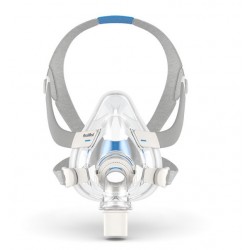
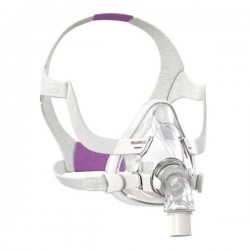
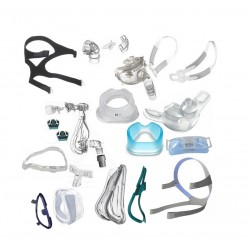
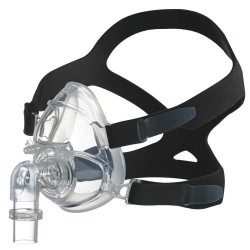
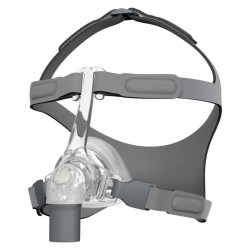
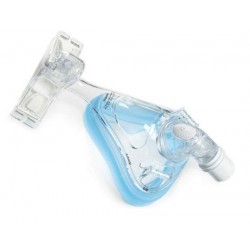
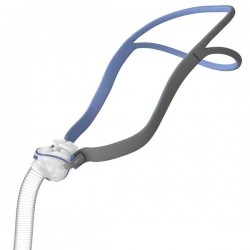
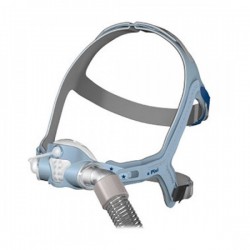
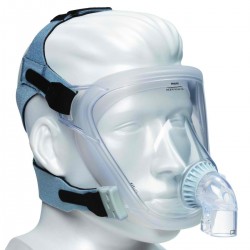
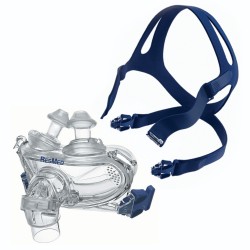
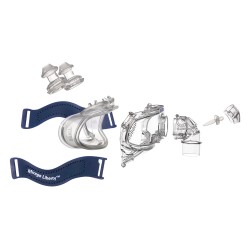
The types of masks available are full face, which cover the entire nose and mouth, (this is the best solution for patients who breath through their mouths or have sensitive nasal passages), nasal masks (which only cover the nose therefore less bulky) and nasal pillows. Full-face masks are somewhat bulky and there can often be problems getting a good fit as if they don’t then air will leak through the gaps. Nasal masks are great if you want to avoid the discomfort of a full-face mask but some people find having their noses covered uncomfortable as well. The solution in that case is a nasal pillow, which are small tubes that fit around the nostril by means of small tubes and connectors. They are the least bulky and work very well with humidifiers, but we do not recommend them for patients who have sensitive nasal passages, as they will tend to find them somewhat irritating. A lubricating or moisturizing agent such as KY jelly can be a good solution to this, however. Overall, if you breathe through your mouth the best option is often a mask, or nasal pillows if you find the mask too bulky. Either way, it is best to have a talk with your doctor before starting with CPAP.
At first it can be a bit of a challenge getting used to using a CPAP machine, especially the mask. The key is proper use, you need to make sure that it is fitted just right for your face – too tight it will be uncomfortable and too loose it will not be as effective. We recommend that you experiment with loosening and tightening the adjustment, if that doesn’t work you may have the wrong size mask and need to get it replaced with the right size for you. A common problem is a feeling of claustrophobia while wearing the mask – we recommend that you try wearing the mask for a short period of time while watching TV or reading, this will distract your attention away from the mask and help you get more used to having it on.
Dry or congested nasal passages are another common problem. A heated humidifier is an excellent solution to this. Many of our auto CPAP systems have heated humidifiers either as an option or as standard and this will go a long way to solving the problem. Another option is saline nasal solution, which can be cheaply purchased from a pharmacy; basically it is a salt and water solution, which has been found to be helpful. Another option is a nasal decongestant but we would advise speaking to your GP first.
Adjusting to the continuous pressure can be challenging at first, the recommended strategy is to use the machines ramp setting – this will allow you to start off with relatively low pressure setting and allow the machine to gradually increase the pressure over time until the optimal setting is reached. This again may need a chat with your GP to achieve the ideal setting you need for comfort and effectiveness. You may need to look up how to adjust the setting in your user’s manual.
Ideally, yes, you will definitely get the most benefit from continual use of the CPAP machine – if you do not maintain consistency then you will find it difficult to get used to using the equipment.
Yes, the mask and tubes especially need to be cleaned regularly to prevent the buildup of bacteria, which can be harmful to the respiratory system. The equipment is very easy to clean, however.
It is a specialised sleep test that you would normally have at a hospital or sleep centre. It is designed to measure brain waves, eye movement, breathing, heart rate, oxygen level, leg movement, chin muscle tone as well as the audio and video of the room you are sleeping in. It involves having sensors placed on various places on the body to monitor and record patterns that will help in the diagnosis of sleep disorders including narcolepsy, obstructive sleep apnea insomnia and hypersomnia. The sensors are very small and so will not prevent you from sleeping, the room is usually set up to be as comfortable and cosy as possible so that patients will feel relaxed and able to sleep in the test area. The patient will be advised not to take any drugs, stimulants like alcohol, coffee etc. for 24 hours before the test.
Yes, you can include it in your standard household insurance and if you have Medicare or Medicaid insurance but the details vary from one plan to another. You may be required to take a sleep test in order to establish that you need a CPAP as you do in fact have a sleep disorder. A popular CPAP machine manufacturer is Resmed and they state in their T&C that Medicare will require an AHI count of at least 15 (or more) per hour but a lower count of say 5 would be deemed acceptable if there are documented symptoms of hypertension, insomnia, impaired cognition, mood disorders, excessive daytime sleepiness, ischemic heart disease or any documented history of stroke. You will probably need to check with your insurance representative.
It stands for Apnea-Hypopnea Index which is a average of the number of apnoeas and high pop nears per hour and apnoea is usually usually measured as a 70% reduction in breeding volume for 10 seconds and Hypopnea is usually recorded as a 50% reduction in breathing for 10 seconds can on some occasions be somewhat misleading because it is known that disruptive sleep can be in the form of increased blood pressure as opposed to stoppage of breathing. A normal measurement is usually in the range below five. If the measurement were over 10 then this would suggest a sleep disorder. 15 to 30 is considered mild and 35+ is considered severe.
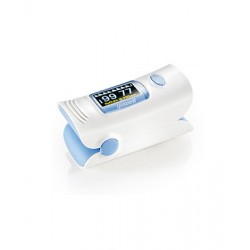
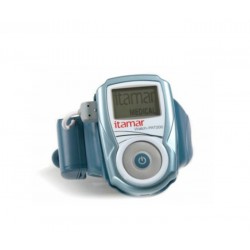
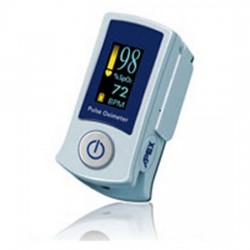
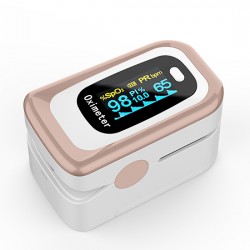
-250x250.jpg "Pulse Oximeter Pro Sports and Aviation Finger-Unit Spot Check Oxygen OLED Display Monitor with Lanyard")